Tooth extraction recovery, day by day.
An extraction heals on a schedule your body already knows — the clot in the first hours, the swelling that peaks around day two or three then retreats, the soft tissue closing over the first weeks. This guide maps that schedule day by day: what’s normal at each stage, what protects the healing, the one complication worth knowing by name, and exactly when a message beats waiting.
By Baro Dental Clinic, Seomyeon · August 2026 · 13 min read
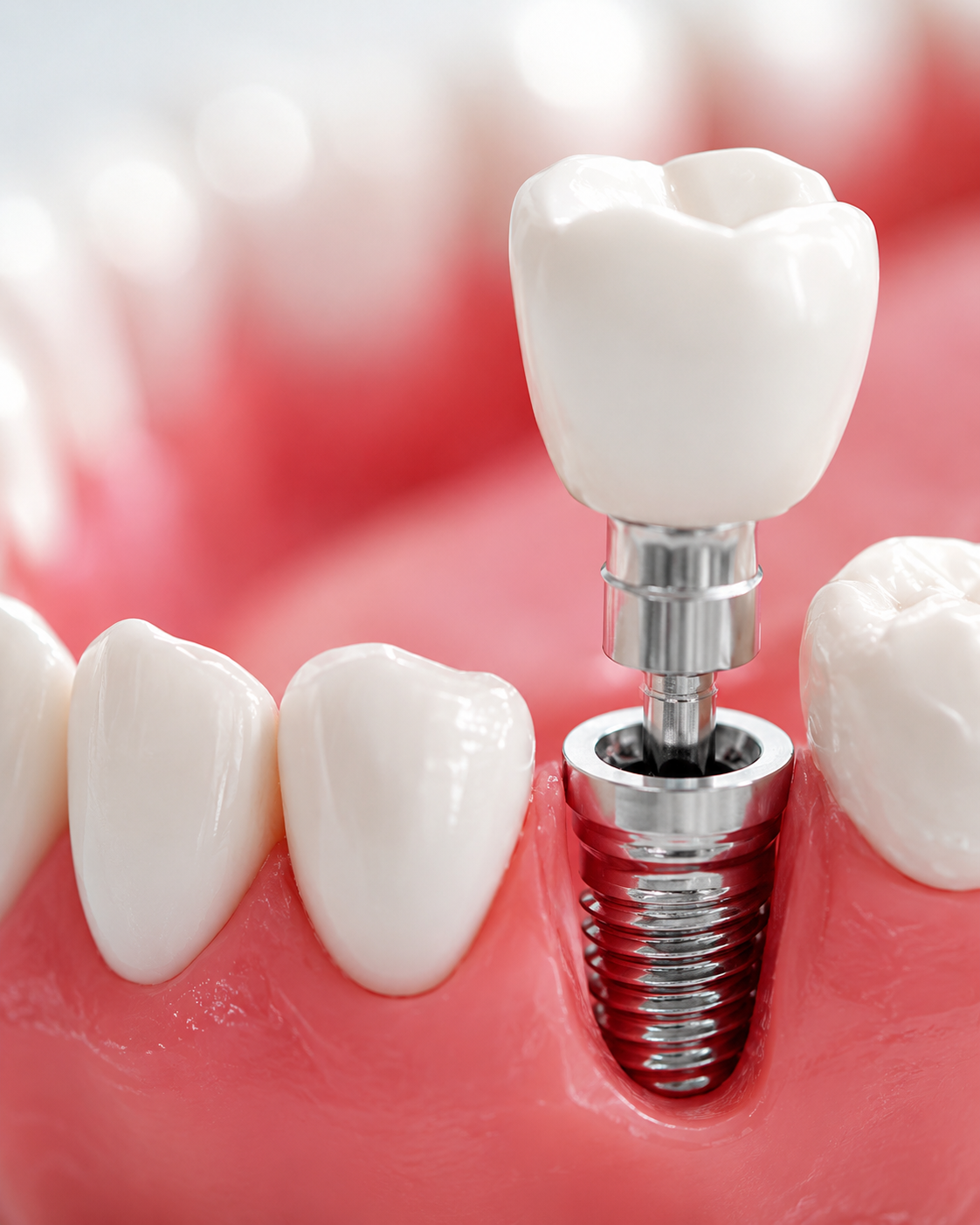
The honest arc: day 0 is about forming and protecting the blood clot (firm gauze pressure, then no rinsing, spitting, straws or smoking); days 1–3 bring the swelling peak around day two or three with cold packs, soft food and gentle salt-water rinses from 24 hours; days 3–7 should trend steadily better — and pain that worsens on day three or four instead of easing is the dry-socket signature that earns a message, not endurance. By the end of week one, most simple extractions are comfortable footnotes; surgical sites and wisdom-tooth removals run the same arc a little longer and a little louder. Underneath, bone quietly rebuilds for months — the timeline the implant conversation cares about. This guide walks each stage with its normal-versus-worry sorting, the eating map, and the standing rule of this series: the “is this normal?” photo to the thread is answered at whatever hour day three delivers it.
- Day 0 — the clot is the whole job in Busan
- Days 1–3 — the swelling peak, and why worse-looking isn’t worse
- The dry-socket window — the one complication worth knowing by name
- The whole arc, in one honest table
- Day 4 through the months after — closure, stitches, and the bone clock
- How aftercare runs at our Busan Seomyeon clinic — and your next step
What recovering patients actually ask
- How long will it bleed — and how much bleeding is normal?
- My face is more swollen on day two than day one — is something wrong?
- What exactly is dry socket, and how do I know if I have it?
- What can I actually eat, and when?
- When can I get back to work, exercise, and normal life?
Day 0 — the clot is the whole job in Busan
The first hours have exactly one mission: the blood clot. It forms in the socket within the first hour and becomes the scaffold every later stage builds on — the surface the new tissue grows across, the seal over the bone beneath. Everything you’re told on day zero serves it: bite firmly on the gauze for 30–60 minutes(pressure, not peeking — checking every five minutes restarts the ooze the pressure was stopping), swap for fresh gauze if soaking continues, and accept that a pink-tinged ooze mixing with saliva for the first day looks like far more bleeding than it is — the classic day-zero false alarm. Bright-red, actively refilling bleeding that firm pressure doesn’t slow over an hour is the version that earns a message.
The don’t-list, each item protecting the same clot: no rinsing or spitting today(suction and swish both pull at it — let saliva dribble and dab instead); no straws(the textbook suction mistake); no smoking — the single strongest controllable risk factor for the complication section below, stated as plainly as this series states things: the first 72 hours smoke-free move your odds substantially, and every hour beyond helps; no alcohol today(it interferes with clotting and pairs badly with analgesics); and no exploring with tongue or finger — the urge is universal, per the emergency guide’s same observation about breaks, and the discipline pays the same way.
The numbness and the pain curve, honestly set: local anaesthesia holds two to three hours past the visit — the numb-window rule applies to your first meal (soft, cool, and only after sensation returns) — and as it fades, ordinary soreness arrives on schedule: managed with the analgesic plan set at your visit, taken ahead of the pain rather than chasing it per the pain guide’s scheduling note. What day zero’s soreness should be: definite, dull, and answerable by the regimen. What it shouldn’t be: sharp, escalating, or laughing at the tablets — that pattern messages tonight, not tomorrow.
And the evening posture note that costs nothing and helps visibly: head elevated — an extra pillow tonight and tomorrow — blunts both the throb (pressure physics, per the same rule this series gives hotel rooms in the travel checklist) and tomorrow’s swelling. Cold pack cycles on the cheek — on and off in roughly 15–20 minute rhythms through the first day — are the other free lever; use them today while they matter most.
Days 1–3 — the swelling peak, and why worse-looking isn’t worse
The fact that prevents the most day-two panic, stated first: swelling peaks around day two or three, not day one. Waking on day two more swollen than you went to bed is the arc behaving normally — inflammation is the construction crew, not the fire — and bruising that surfaces on the cheek or jawline in yellows and purples over days two to four is the same story told in colour, drifting downward with gravity as it fades. The worry version differs in kind, not just degree: swelling that keeps expanding after day three , turns hot and hard, pairs with fever or a foul taste, or — the emergency line, per every guide in this series — involves any difficulty swallowing or breathing: that last one is hospital-ED-now territory; the rest message the thread today.
The care routine shifts on day one, gently: from 24 hours, warm salt-water rinses begin — half a teaspoon of salt in a cup of warm water, gently moved and tipped out rather than swished and spat, after meals and before bed; the hotel-room version runs on the kettle the travel checklist insisted on. Brushing continues everywhere except the socket’s immediate neighbourhood — clean neighbouring teeth matter more now, not less; just keep bristles and rinse-force off the site itself for these first days. Cold packs finish their useful window during day one; from day two or three, gentle warmth takes over as the comfort tool once swelling has peaked.
Eating, mapped by stage because everyone asks: days 0–2 are the soft-and-cool tier — and Korean convenience makes this easy, per the travel guides’ standing menu: juk (rice porridge) from any convenience store, cooled soups, yoghurt, eggs, tofu dishes like soft sundubu once temperature drops from hot to warm; chew on the other side, keep everything lukewarm-or-cooler early(heat dilates and can restart ooze), and skip the obvious enemies — grains that lodge (rice sticks less than seeds and nuts, but chew away from the site), the spicy tier for a few days, carbonation’s fizz early, and anything through a straw, ever, this week.
Work, movement, and the realistic day-count: desk work resumes for most people on day one or two after a simple extraction(the working visitor’s honest planning number), a day or two later for surgical sites; strenuous exercise, heavy lifting and saunas wait until roughly day three or four — raised blood pressure reopens what rest protects, and Korea’s bathhouse culture earns its specific mention: the jjimjilbang visit belongs next week, not this one. The honest rule underneath all the numbers: the site sets the pace, and a day of margin beats a restart.
The dry-socket window — the one complication worth knowing by name
Named plainly because informed beats anxious: dry socket (alveolar osteitis) is what happens when the clot is lost or fails before the tissue beneath was ready — the socket’s bone is left exposed, and the healing restarts slower and sorer. It’s the complication behind most extraction horror stories, it affects a small minority of extractions (more often lower wisdom teeth and smokers), and — the reason this section exists — it has a signature you can recognise and a fix that works.
The signature, spelled out: pain that changes direction in the day-two-to-four window — the arc was easing, then it worsens: a deep, radiating ache (often toward the ear on that side) that the analgesic plan suddenly can’t hold, frequently with a bad taste or odour, and sometimes a socket that looks empty or grey-white where the dark clot sat. That direction change is the whole diagnostic: normal healing gets better unevenly but gets better; dry socket announces itself by reversing the trend. Per the warning-signs sorting, trend beats snapshot everywhere in aftercare — and nowhere more than here.
What to do, and what not to: message the thread the day the direction changes — photo if you can manage one, day-count and pattern in two sentences — because the fix is an in-chair one: the site cleaned and a medicated dressing placed, bringing relief that patients describe as disproportionate to the visit’s length, repeated as needed over the following days. What not to do: wait it out on doubled analgesics (the label’s limits exist and the fix is better), poke or rinse aggressively at the site, or self-diagnose doom — plenty of day-three aches are ordinary healing being uneven, and the thread’s honest read sorts which story yours is, free, at whatever hour the worry arrives.
And the prevention paragraph, which is really day zero’s rules restated with their reason attached: the clot-protection discipline — no suction, no smoking, gentle rinsing only after 24 hours — exists because of this section. Smokers deserve the honest arithmetic one more time: the first 72 hours smoke-free are the highest-leverage aftercare decision available, and the clinic will say so before the extraction, not just after — planning the extraction into a window where those hours are realistic is a legitimate scheduling conversation, and it’s had here plainly.
Day two and swollen — wondering if that’s the plan? Day-count and symptom in two sentences, photo if you can — the honest normal-or-not read comes back at whatever hour you’re asking. Message us on WhatsApp →
The whole arc, in one honest table
Every stage, what’s normal there, and what earns a message:
| Stage | Normal here | Earns a message |
|---|---|---|
| Day 0 — the clot | Pink-tinged ooze in saliva · firm gauze pressure · numbness 2–3h · dull soreness answering the analgesic plan | Bright-red bleeding that firm pressure doesn’t slow over an hour · sharp escalating pain |
| Days 1–2 — the build | Swelling rising toward its peak · bruising surfacing · salt rinses from 24h · soft-and-cool eating | Pain the regimen suddenly can’t hold · anything trending sharply worse |
| Days 2–4 — the peak & the window | Swelling peaks then holds · colour drifts down the jaw · warmth replaces cold packs | The direction change: easing pain that reverses — deep, ear-radiating ache + bad taste = the dry-socket signature, same-day |
| Days 4–7 — the trend week | Everything stepping down · texture ladder climbing · dissolving stitches fraying (normal) | Swelling still expanding after day 3 · fever · foul taste with a hot, hard cheek |
| Weeks 2–3 — closure | Socket shallowing to a dimple · normal chewing returning · food-trap easing | A site that’s stalled — no closure trend, persistent tenderness: the photo-check message |
| The months after — the bone clock | Ridge quietly remodelling beneath closed gum | No message needed — but the gap’s-future conversation (implant timing rewards earliness) starts whenever you do |
The red lines, unbending: difficulty swallowing or breathing, or uncontrolled bleeding → hospital emergency department first. This clinic does not provide 24-hour service; after-hours messages are triaged at opening. Smokers: the first 72 hours smoke-free are the single highest-leverage aftercare decision available.
Day 4 through the months after — closure, stitches, and the bone clock
Days 4–7: the trend week — swelling retreating visibly, soreness stepping down from scheduled analgesics to occasional ones, eating climbing the texture ladder (still favouring the other side), and the site’s edges beginning to close. Stitches, where placed: most modern sutures here dissolve on their own over one to two weeks — fraying and loosening as they go, which alarms people and shouldn’t; non-dissolving ones get their removal appointment stated in writing at the visit, so there’s never a mystery about which kind you carry.
Week two and beyond: the soft tissue closes over the socket across the first two-to-three weeks — the visible “hole” shallowing to a dimple, food-trapping easing (a gentle rinse after meals remains the tool; aggressive picking remains banned), and normal chewing returning tooth by tooth. The follow-up rhythm: surgical and wisdom-tooth sites typically get a scheduled check; simple extractions often need none beyond the standing offer — and for the traveller already home, the remote follow-up pattern runs the same check by photo and thread, per this series’ continuity habit.
The bone clock, because it’s the part nobody mentions at the chair: beneath the closed gum, bone rebuilds and remodels for months — and it doesn’t rebuild to the old contour: the ridge where a tooth stood slowly narrows and lowers, which is precisely the resorption meter the missing-teeth guides price. The planning translation, stated once and honestly: if an implant is in your future for this gap, the conversation rewards earliness — the implant guide’s timing logic starts at this exact moment, and the examination that mapped your extraction can map that future in the same file, no commitment implied.
And the gap’s other futures, so this page argues nothing by omission: some extractions need no replacement at all (the wisdom tooth’s whole point, per its guide); some gaps suit the bridge conversation; some wait honestly while budgets and bones are weighed — with the drifting-and-tipping meter running quietly, which is why “waiting” here means deciding to wait, in writing, with a recheck date , not drifting without a decision. The extraction closed one file; the gap opened another; both deserve the same daylight.
How aftercare runs at our Busan Seomyeon clinic — and your next step
What you leave the extraction visit with, concretely: the written aftercare sheet matching this guide stage for stage; the analgesic plan set to you (existing medications and conditions weighed at the visit — and blood-thinner patients flagged their regimen beforehand per the standing rule: mentioned always, self-paused never); gauze for the first hours; the stitch status in writing(dissolving or dated for removal); and the thread confirmed on your lock screen — because day three’s questions arrive at day three’s hours, and they get answered there.
The message triage, stated so it’s used without hesitation: routine reassurance(“is this ooze normal” with a photo — usually yes, answered fast); the direction-change report(the dry-socket signature above — come in, the fix is quick); and the red lines — expanding swelling after day three, fever with the site, and the swallowing-or-breathing involvement that goes to a hospital emergency department first, always, per this series’ unbending emergency honesty. Three lanes, all open, at whatever hour the question actually happens.
For visitors, the recovery logistics this series already built: the hotel checklist(kettle for rinses, ice access, the extra pillow) run before the extraction day; the flight buffer honoured in the schedule so the travel day never lands inside the clot window; the convenience-store soft-food map from the eating section; and the remote follow-up holding the check once you’re home — the whole travel-aftercare stack, assembled across this series, converging on this one week.
One message starts whatever you need: pre-extraction, your dates and your smoking-window honesty for the scheduling conversation; mid-recovery, your day-count and symptom in two sentences with a photo; post-recovery, the gap’s-future question whenever you’re ready to ask it. Healing runs on a schedule your body already knows — this page mapped it, the sheet in your hand matches it, and the thread walks it with you at whatever hour the walking happens.
- Day 0 has one job: the clot — gauze pressure, then no rinsing, spitting, straws or smoking; everything else is commentary.
- Day-two swelling is the arc, not an alarm: the peak lands day two or three — expanding after day three is the version that messages.
- Dry socket = the direction change: easing pain that reverses in the day 2–4 window, ear-radiating, bad taste — the fix is quick and in-chair; message same-day.
- Eat by stage, other side, lukewarm: juk-and-soup tier first, texture ladder from day 4 — and never a straw this week.
- The bone clock runs for months: if an implant is this gap’s future, the timing conversation rewards starting it early — no commitment implied.
The dentists behind every guide on this site


FAQ
Firm gauze pressure for the first 30–60 minutes handles the active phase, and what follows for the rest of day zero is mostly ooze: pink-tinged saliva that looks like far more bleeding than it is — the classic false alarm. Swap gauze while genuine soaking continues, keep pressure steady rather than peeking, and skip today's rinsing and spitting. The message-worthy version is different in kind: bright-red, actively refilling bleeding that an hour of firm pressure doesn't slow — send that message when it's happening, not in the morning.
Almost certainly not: swelling peaks around day two or three by design — inflammation is the construction crew — and bruising surfacing in yellows and purples that drift down the jaw over days two to four is the same normal arc in colour. The worry pattern differs in direction, not degree: swelling still expanding after day three, turning hot and hard, or arriving with fever or a foul taste messages the thread today; any difficulty swallowing or breathing goes to a hospital emergency department first, always.
It's the clot lost before the tissue beneath was ready — exposed bone, healing restarted slower and sorer — affecting a small minority of extractions, more often lower wisdom teeth and smokers. The signature is a direction change in the day-two-to-four window: pain that was easing reverses into a deep, often ear-radiating ache the analgesic plan can't hold, frequently with a bad taste. The fix is in-chair and quick — the site cleaned, a medicated dressing placed, relief disproportionate to the visit's length. Message the day the trend reverses; don't endure it on doubled tablets.
Days 0–2: the soft-and-cool tier — juk from any convenience store, cooled soups, yoghurt, eggs, soft tofu — chewed on the other side, everything lukewarm or cooler early, nothing spicy, nothing fizzy, and nothing through a straw this week. From around day 4 the texture ladder climbs as comfort allows, still favouring the other side. Normal chewing typically returns across week two as the socket closes. The numb-window rule governs the very first meal: only after sensation fully returns.
Desk work: day one or two for most simple extractions, a day or two later for surgical sites — the honest planning numbers. Strenuous exercise and heavy lifting: from roughly day three or four, since raised blood pressure reopens what rest protects. The sauna and jjimjilbang earn their specific mention: heat and the first-days site don't mix — next week, not this one. Underneath all the numbers, the site sets the pace: a day of margin always beats a restart.
Wisdom Teeth in Busan
The extraction this arc most often follows — a little longer, a little louder.
Single Implant in Busan
The gap's-future conversation the bone clock times — ₩800,000 crown-included.
Dentures in Busan
The gap's other futures, honestly mapped.
Examination
Where the recheck-date version of "waiting" gets written down.
After treatment: normal healing vs warning signs
Related guide in this series.
What to eat after dental treatment, honestly
Related guide in this series.
Wisdom tooth pain: the signs it needs to come out
Related guide in this series.
Healing runs on a schedule. The thread walks it with you.
Day-count and symptom in two sentences, photo if you can manage one — the honest normal-or-not read comes back at whatever hour day three delivers its question. The sheet in your hand matches this page; the fix for the one complication worth naming is quick and in-chair.
Medical information in this guide is provided for general education and does not replace an individual examination and diagnosis. Prices shown are current at the time of writing; insured-schedule items follow Korea's national fee schedule and are quoted in writing at your visit. This clinic does not provide 24-hour service. Individual results vary.