After treatment: normal healing vs warning signs.
Every healing mouth produces sensations, and most of them are the repair working — but a few are the body asking for help, and telling the two apart is a skill this page can actually teach. The decoder runs symptom by symptom: pain, swelling, bleeding, fever, taste, numbness, bite — each with its normal version, its message-today version, and the short list of red lines that skip the thread entirely.
By Baro Dental Clinic, Seomyeon · August 2026 · 13 min read
The master principle, before any symptom: trend beats snapshot — normal healing improves along an uneven line, but it improves, while trouble announces itself by reversing direction, expanding past its expected window, or arriving with company (fever, foul taste, spreading swelling). A rough day inside an improving week is healing; a good week that turns is a message. The three lanes every symptom sorts into: normal-narrated (the majority — matched against your treatment’s calendar and reassured), message-today (the direction changes and window overruns this page maps), and the unbending red lines — difficulty swallowing or breathing, uncontrolled bleeding, rapidly spreading facial swelling — which go to a hospital emergency department first and message second, always. Everything below is that sorting, symptom by symptom.
- The master principle — trend beats snapshot in Busan
- Pain and swelling — the two headliners, decoded
- Bleeding, fever, taste and the quieter signals
- The decoder, in one honest table
- Reading symptoms in context — treatment, day-count, and the photo
- How the sorting runs at our Busan Seomyeon clinic — and your next step
What worried healers actually ask
- How much pain is normal, and for how long?
- My cheek is swollen — when does swelling become a problem?
- There’s a weird taste that won’t go away — what is that?
- Part of my lip still feels numb a day later — should I panic?
- When do I message, and when do I go straight to a hospital?
The master principle — trend beats snapshot in Busan
Every calendar in this series — the extraction arc, the implant phases — runs on the same underlying grammar, stated here once as the page’s spine: healing is a direction, not a state. Normal recovery is allowed to be uncomfortable, uneven, and worse in the morning than the evening — what it isn’t allowed to do is reverse : pain that was easing and worsens, swelling that peaked and re-expands, bleeding that stopped and restarts fresh. Direction changes are the single most reliable warning signature in all of aftercare, and they’re detectable by anyone with a memory of yesterday.
The second grammar rule: windows. Each normal sensation has an expected residence — swelling peaks around day two or three and retreats; soreness steps down across the first week; ooze belongs to day zero — and a symptom overstaying its window earns attention even without dramatic intensity: the ache that’s mild but unchanged at day ten is a different message than the same ache on day two. This is why every reply in the thread starts by asking your day-count: the calendar is half the diagnosis.
The third rule: company. Symptoms that arrive alone mostly narrate healing; symptoms that arrive together escalate each other — swelling with fever, pain with a foul taste, tenderness with a gum bump — because combinations are how infection distinguishes itself from inflammation. A useful mnemonic this page will earn below: one symptom describes; two symptoms suggest; three symptoms book.
And the disposition this page wants you to carry, stated against both failure modes: neither stoicism nor panic serves healing. The patient who endures a direction change for four days “not wanting to bother anyone” and the patient who catastrophises day-two swelling both suffer unnecessarily — and the entire design of the thread’s three-lane triage is that asking is free, fast and judgment-free, which makes early asking the rational strategy in every case this page covers.
Pain and swelling — the two headliners, decoded
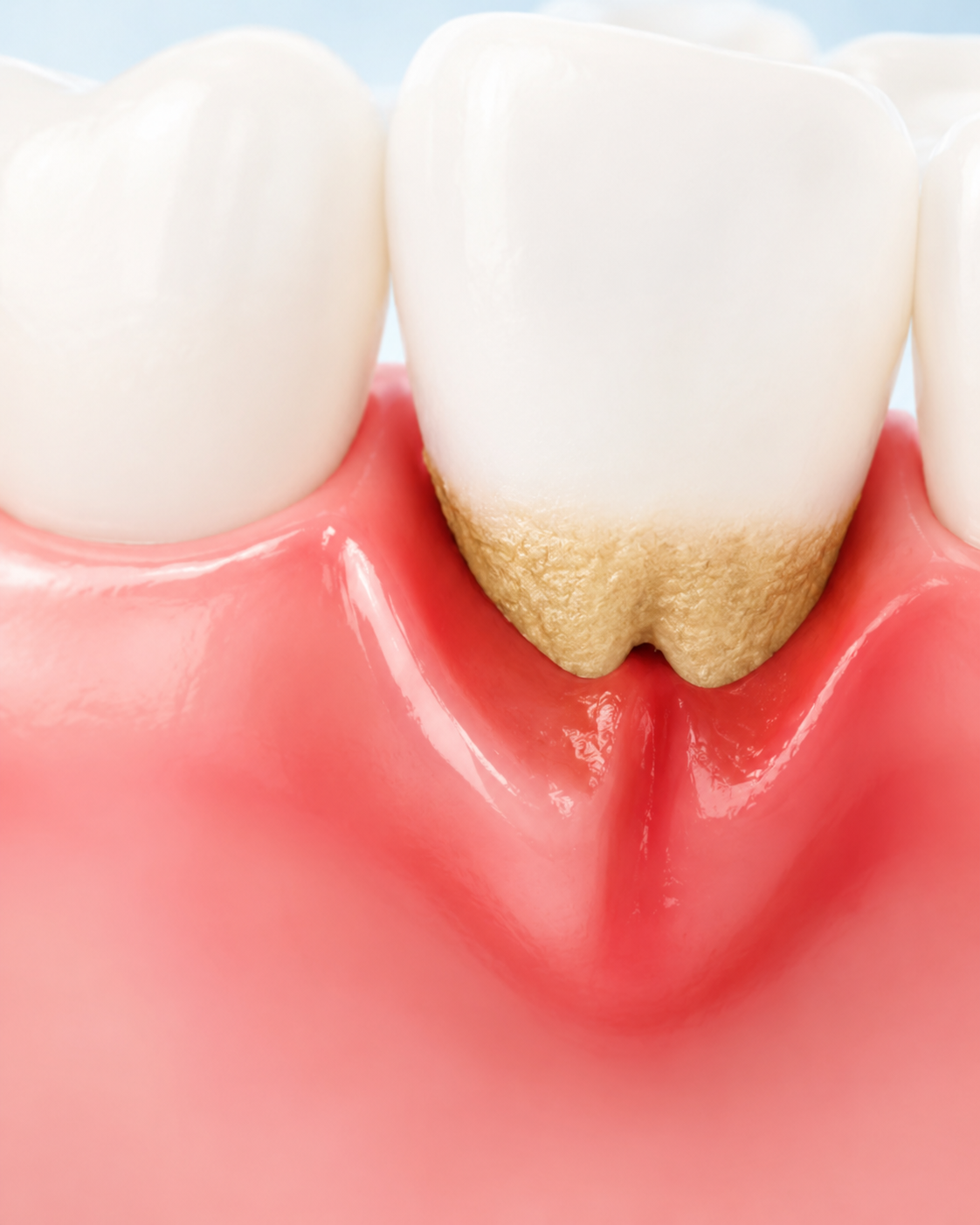
Pain’s normal version: definite, dull, worst in the first days, answering the analgesic plan, and stepping down across the week — with the honest asterisks each calendar states: surgical sites run louder than simple ones, and a rough patch inside an improving week is still improvement. Pain’s message-today versions: the dry-socket signature(easing pain reversing into a deep, often ear-radiating ache in the day-two-to-four window, frequently with a bad taste); pain the regimen suddenly can’t hold at any stage; the lingering-and-throbbing grammar arriving in a treated tooth; and pain still resident, however mild, past its calendar’s window. Pain’s red line: severe pain with rapidly spreading swelling — that’s the next paragraph’s territory, and it doesn’t wait for morning.
Swelling’s normal version, restated because it drives more worried messages than anything else: the peak belongs to day two or three, never day one — a puffier day-two morning is the plan, not a problem — after which it holds and then recedes, while any bruise runs its colour cycle and slides gravity-ward along the jawline as it clears. Cold packs serve day one; warmth serves after the peak; the extra pillow serves every night, per the standing physics. Swelling’s message-today versions: growth that continues past the day-three mark; a cheek turning hot, hard and shiny to the touch; or fever or a foul taste joining in — the company rule doing its work.
Swelling’s red line, unbending and repeated verbatim across this series: swelling that involves the floor of the mouth, the throat or the eye region, any difficulty swallowing or breathing, or facial swelling spreading rapidly by the hour — these go to a hospital emergency department now, message second, because spreading facial infections are the one dental emergency where hours genuinely matter and no clinic’s schedule — this one’s included — is the right first stop.
And the numbness paragraph that belongs beside pain because it’s pain’s absence misbehaving: anaesthetic numbness resolves in two to three hours — and numbness or altered sensation in the lip, chin or tongue persisting into the next day after lower-jaw surgical work (wisdom teeth and lower implants are the classic contexts) is a message-today item: usually a temporary nerve irritation that recovers on its own timeline, occasionally something the surgeon should assess and document early — and in either case a finding that deserves professional eyes promptly rather than a fortnight of private worry.
Bleeding, fever, taste and the quieter signals
Bleeding’s normal version: day zero’s pink-tinged ooze mixing with saliva — the classic over-estimator, per the extraction guide’s false-alarm note — managed with firm gauze pressure and gone as a story by day one. Message-today: fresh, bright-red bleeding that firm pressure doesn’t slow over an hour, or bleeding that restarts days later at a site that had sealed (the direction rule in crimson). Red line: genuinely uncontrolled bleeding — soaking through pressure repeatedly — which is emergency-department territory, with the standing note for blood-thinner patients: your regimen was flagged at the visit per house rule, never self-paused, and your threshold for messaging runs lower by design.
Fever’s sorting is short because it’s strict: feeling warm and wrung-out on the first evening after surgery sits within normal’s range — but a measured fever arriving with a treated site, especially from day two onward or alongside swelling or taste signals, is the company rule’s loudest example and messages today, every time. Fever is how the body escalates past “local”; this page treats it accordingly.
Taste and odour: a mild metallic or “different” taste in the first days is common healing-chemistry background; the message-today versions are the persistent foul taste or odour(infection’s signature, and dry socket’s frequent companion) and the bad taste paired with a small gum bump beside a treated tooth — the pimple-shaped sign that infection has found an exit, familiar from the pain guide’s triage and always worth same-week eyes. The quieter signals worth naming: a bite that stops feeling even (a high spot after a filling or crown is a five-minute adjustment, not an endurance test, per the crown-phase rule); anything that moves that shouldn’t (a fixture, a healing cap, a permanent crown — same-day message each); and stitches: dissolving ones fraying is normal theatre, a wound edge gaping open early is a photo-and-message.
And the strangest entry, included because it catches people: pain that stops suddenly and completely mid-arc — occasionally the repair simply turning a corner, occasionally the nerve-death silence the symptom series flags: severe pain that vanishes without treatment earns a check, not a celebration. The quietest red flag in the series, restated here because aftercare is where it hides best.
Something feels off and the sheet’s in the hotel bin? Day-count + treatment + two sentences + a photo — the lane and its reasons come back same-day, judgment-free, wherever the work was done. Message us on WhatsApp →
The decoder, in one honest table
Every symptom, its three lanes, side by side:
| Symptom | Normal — narrate & watch | Message today | Red line — ED first |
|---|---|---|---|
| Pain | Dull, answers the plan, steps down across the week | Direction reversal (dry-socket signature) · regimen can’t hold · overstays its window · lingering/throbbing in a treated tooth | Severe pain + rapidly spreading swelling |
| Swelling | Peaks day 2–3, then retreats · bruising drifts and fades | Growth continuing past day 3 · hot, hard, shiny to the touch · fever or foul taste joins | Floor-of-mouth / throat / eye involvement · any swallowing or breathing difficulty |
| Bleeding | Day-zero pink ooze, settled by firm pressure | Bright-red flow pressure doesn’t slow in an hour · sealed site restarting days later | Uncontrolled — soaking through repeated pressure |
| Fever | Warm, wrung-out first evening only | Any measured fever with a treated site, day 2+ or with company | Fever + spreading swelling or breathing involvement |
| Taste / odour | Mild metallic first days | Persistent foul taste or odour · bad taste + gum bump | — (escalates via its company) |
| Numbness · bite · movement | Anaesthesia resolving in 2–3h · dissolving stitches fraying | Numbness persisting next day · high-spot bite past first days · anything moving · sudden total pain-stop mid-arc | — |
The red lines, verbatim across this series: difficulty swallowing or breathing, uncontrolled bleeding, rapidly spreading facial swelling → hospital emergency department first, message second. This clinic does not provide 24-hour service; after-hours messages triage at opening. Blood-thinner, immune-suppressed and diabetic patients run lower messaging thresholds by design.
Reading symptoms in context — treatment, day-count, and the photo
The same symptom means different things in different weeks — which is why the thread’s first questions never change: what was done, and what day is it? Soreness on day two after an extraction is the calendar; the identical soreness three weeks after a filling is a bite or a nerve conversation. Swelling on day two after implant surgery is the arc; new swelling in month two of quiet integration is a same-day message per that calendar’s boring-by-design rule. The decoder above gives the grammar; your treatment’s own guide gives the dialect; and the day-count is the key that unlocks both.
The photo’s role, imported from the remote-care guide and worth its ten seconds everywhere: surface signals — colour, contour, bumps, stitches, a socket’s state — read well on a decent photo, and the trend across two photos reads even better; the craft (side light, retracted cheek, tapped focus, close-plus-context frames) is on every aftercare sheet here. What the photo can’t do that guide states plainly — probe, palpate, image, test — is exactly what the see-someone lane exists for, and the sorting between them is the thread’s daily work.
The special-population notes, gathered: blood-thinner and immune-suppressed patients run lower messaging thresholds by design, flagged at the visit; diabetic patients deserve the honest note that healing windows can run longer and infection vigilance higher — the calendars stretch, the grammar doesn’t; smokers carry the dry-socket and integration risks their guides price, and post-treatment symptoms in a smoking week message earlier, not later; and kids’ symptoms get parent-narrated with the same day-count grammar, plus the numb-window supervision the eating guide flags.
And the travellers’ overlay, since half this series flies: every lane on this page works at distance through the remote thread — with the one translation that matters: the red lines route to your local emergency services, wherever you are, message second; the message-today lane runs on Korea-hours arithmetic stated in that guide; and the see-someone lane’s local-dentist coordination arrives pre-built, records and briefing note included. Distance changes the logistics, never the grammar.
How the sorting runs at our Busan Seomyeon clinic — and your next step
What every treatment leaves with, so this page is a backup rather than a necessity: the written aftercare sheet naming your treatment’s normal arc, its specific watch-fors and its message triggers — this page’s decoder, pre-filtered to your case — plus the analgesic plan, the stitch status, and the thread on your lock screen. The generic version you’re reading exists for the moments between sheets: the symptom at 11 PM, the friend’s question, the treatment done elsewhere that arrived with no map at all.
That last case, welcomed explicitly: symptoms after treatment done at another clinic are legitimate messages here — the triage grammar doesn’t check where the work was done, the honest read (normal-for-that-procedure, worth-a-look, or see-your-treating-dentist-with-these-questions) travels free per the second-opinion habit, and where hands are needed, the examination prices at its published ₩40,000 like everything here. Aftercare orphans are a real population; this page is partly for them.
The response commitments, restated as operations: messages answered within clinic hours in English with the three-lane verdict and its reasons; the message-today lane genuinely means today — same-day slots exist for the direction-changes and window-overruns this page maps, per the same-day guide’s urgency honesty; and the red lines are restated at every relevant visit because repetition is how rare instructions survive: swallowing, breathing, uncontrolled bleeding, spreading facial swelling — hospital emergency department first, always. This clinic does not provide 24-hour service, and the honest map of what does is part of the aftercare.
One message runs the whole decoder for you: day-count, treatment, symptom in two sentences, photo per the craft. Back comes the lane, the reasons, and the next step — which for most readers of this page, most of the time, is the good sentence this series ends on gladly: that’s healing doing its job; here’s what tomorrow should look like. The skill was telling the two apart; now it’s in writing, and the thread holds it with you.
- Trend beats snapshot: healing improves unevenly but improves — reversals, window overruns and symptom company are the real signals.
- Day-two swelling is the arc; growth past day three, a hot-hard cheek, or fever joining in is the message.
- The red lines skip the thread: swallowing or breathing difficulty, uncontrolled bleeding, rapidly spreading facial swelling — emergency department first, always.
- Numbness past the next morning, anything that moves, and pain that stops suddenly mid-arc all earn prompt eyes — rare, specific, better early.
- Asking is free and judgment-free — including for work done elsewhere: neither stoicism nor panic serves healing; early messages do.
The dentists behind every guide on this site


FAQ
Normal pain is dull, definite, worst in the first days, answerable by the analgesic plan set at your visit, and stepping down across the first week — surgical sites louder than simple ones, rough days allowed inside an improving trend. The versions that message today: pain that reverses direction after easing (the dry-socket signature in the day-two-to-four window), pain the regimen suddenly can't hold, and pain overstaying its calendar however mild. Severe pain with rapidly spreading swelling skips the thread for an emergency department.
By direction and company, not size: the peak belongs to day two or three — waking puffier on day two is the arc working — then it holds and retreats, bruising drifting down the jaw as it fades. The message-today versions: growth that has not stopped by the end of day three, a cheek gone hot, hard and shiny, or fever or a foul taste joining the picture. The red line is anatomical: floor-of-mouth, throat or eye involvement, or any difficulty swallowing or breathing — hospital emergency department now, message second.
Persistent foul taste or odour at a treated site is infection's classic signature — and dry socket's frequent companion when it pairs with the day-three pain reversal. A bad taste alongside a small pimple-shaped bump on the gum beside the tooth means infection has found an exit and wants same-week eyes. The benign version is different in kind: a mild metallic or "different" taste in the first days is common healing background and fades. Taste alone describes; taste with pain or swelling suggests; all three book.
Don't panic — do message today: anaesthetic numbness resolves within two to three hours, so altered sensation in the lip, chin or tongue persisting into the next day after lower-jaw surgical work is a genuine finding — most often a temporary nerve irritation that recovers on its own timeline, occasionally something the surgeon should assess and document early. Either way it deserves prompt professional eyes rather than private worry, and the sooner it's on record, the better every version of the story goes.
The thread handles everything except the short unbending list: difficulty swallowing or breathing, uncontrolled bleeding that soaks through repeated pressure, and facial swelling spreading rapidly by the hour — those go to a hospital emergency department first, message second, wherever in the world you are. Everything else — direction changes, window overruns, weird tastes, worried midnights — is exactly what the message lane exists for: day-count, treatment, two sentences, photo, and the honest verdict comes back with its reasons.
Examination in Busan
The ₩60,000 look that settles what a photo can't — published, always.
Wisdom Teeth in Busan
The most frequent origin of this page's surgical questions.
Single Implant in Busan
The boring-by-design calendar whose exceptions message same-day.
Root Canal
The lingering-pain grammar's home chapter.
Tooth extraction recovery, day by day
Related guide in this series.
Aftercare that continues after you fly home
Related guide in this series.
Your dental implant recovery calendar
Related guide in this series.
Most of it is healing. The skill is spotting the rest — and now it’s in writing.
Day-count, treatment, symptom in two sentences, photo in decent light — the lane and its reasons come back same-day, judgment-free, wherever the work was done. Neither stoicism nor panic serves healing; early messages do.
Medical information in this guide is provided for general education and does not replace an individual examination and diagnosis. Prices shown are current at the time of writing; insured-schedule items follow Korea's national fee schedule and are quoted in writing at your visit. This clinic does not provide 24-hour service. Individual results vary.