Jaw clicking and TMJ pain — what we check and treat in Busan.
A clicking jaw is common and usually harmless; a clicking jaw that hurts, locks or will not open fully is a different matter. This guide explains what the click actually is, the examination we run at Baro Dental for jaw-joint and jaw-muscle problems, the conservative treatment that resolves most of them — self-care, a splint, bite adjustment — and the honest line at which we refer to a university hospital.
By Baro Dental Clinic, Seomyeon · October 2026 · 9 min read
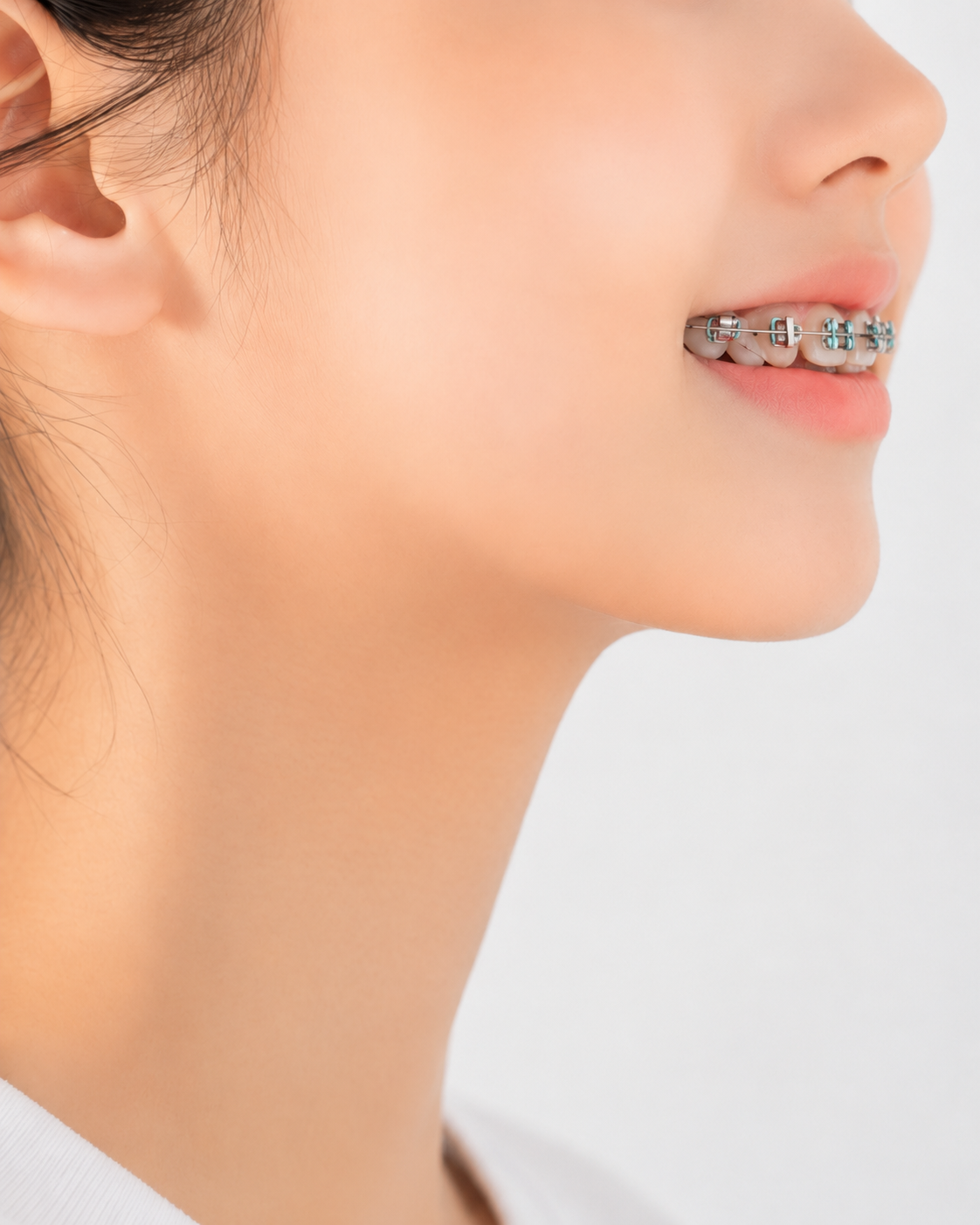
A painless click in the jaw joint is usually a displaced disc that slips back into place as you open — common, often stable for years, and in itself not a reason for treatment. The findings that do need care are pain in front of the ear or in the jaw muscles, an opening that has become limited, a jaw that locks open or shut, or a click that has recently changed. At Baro Dental the examination for temporomandibular joint (TMJ) problems is a structured one — opening range, deviation, joint sounds, muscle palpation, bite and wear, imaging where it changes the plan — and the treatment is conservative first: self-care, a custom splint at ₩300,000, bite adjustment where the teeth are the cause, and referral where the joint needs more than a dentist should offer.
- What the click is, and when it matters
- The signs that need an examination
- What we check: the TMJ examination at Baro Dental
- Self-care first: the two-to-four-week plan
- The splint: what it does and what it costs
- When the bite is the cause: adjustment and dental work
- When we refer: MRI, injections and surgery
- Insurance, cost and what to expect
What people ask about a clicking or painful jaw
- My jaw has clicked for years and never hurt. Now it does — did I damage something?
- I woke up and couldn't open my mouth more than two fingers. What is happening?
- Is the clicking going to get worse if I don't treat it?
- My dentist at home mentioned a splint — is that the same as a night guard?
- Should I be seeing a dentist, a doctor or a physiotherapist for this?
What the click is, and when it matters
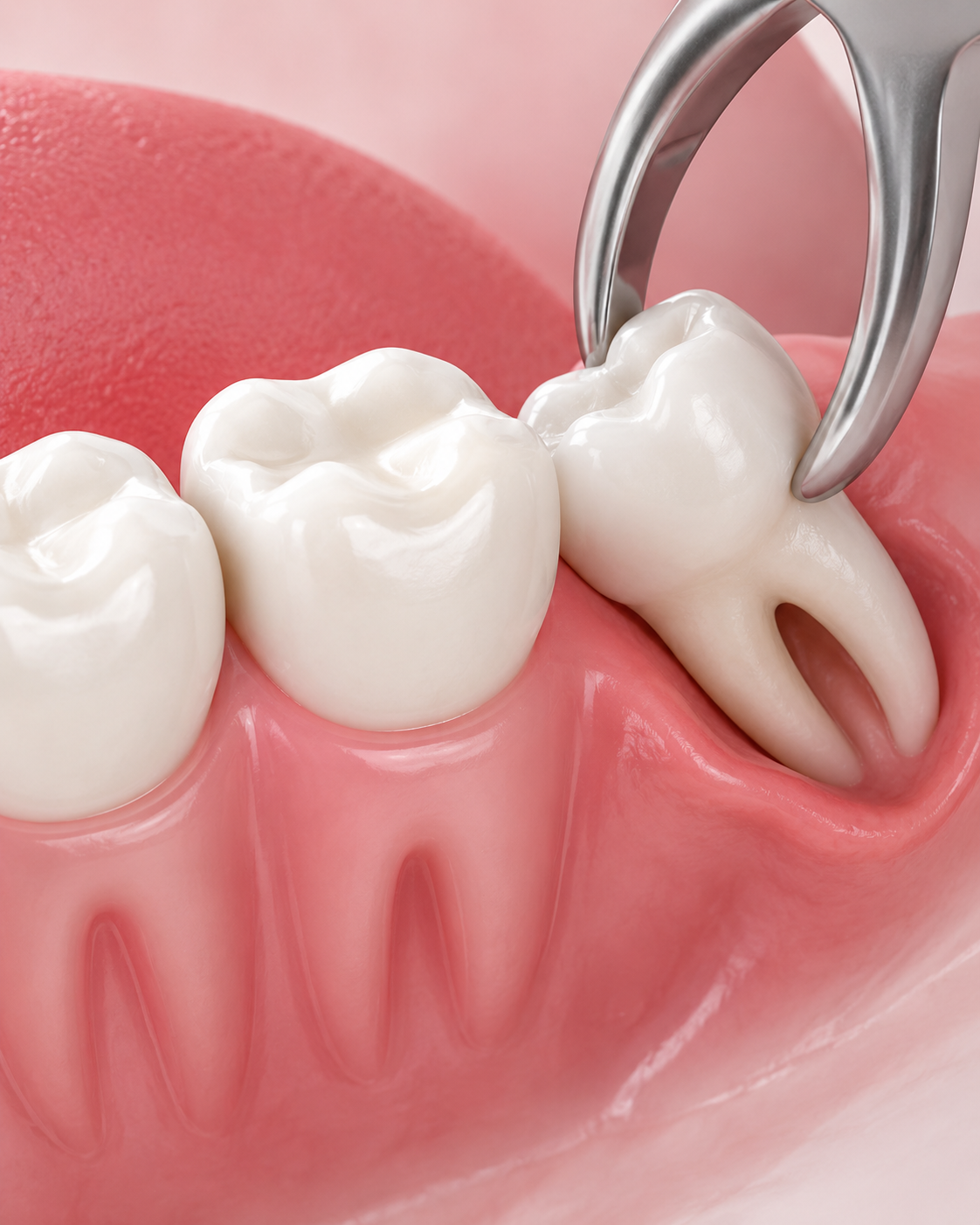
The jaw joint has a small cartilage disc between the condyle (the end of the lower jaw) and the skull. In many people the disc sits slightly forward of where it should; as the mouth opens, the condyle slides forward, catches the disc and pops onto it — that is the click — and on closing, slips off again. This is called disc displacement with reduction, and population studies find clicking in a large minority of healthy adults. A click that has been stable for years, without pain, without limitation, is usually monitored and left alone; treatment aimed at “curing the click” mostly fails and is not worth the cost.
What changes the picture is when the disc stops reducing — the jaw catches or locks, opening becomes limited, the click may actually disappear (which patients mistake for improvement) — or when the muscles that move the jaw become painful from clenching, grinding or sustained tension. Jaw-muscle pain is in fact the most common TMJ complaint, more common than true joint disease, and it is the one that responds best to conservative care. Our TMJ page describes the conditions in more depth; this guide follows the patient journey.
The signs that need an examination
Book an examination if any of these apply: pain in front of the ear, in the cheek muscles or temples, especially on chewing or in the morning; limited opening — less than three fingers stacked vertically between the front teeth; locking, open or closed, even briefly; a click that has changed — louder, painful, or newly accompanied by catching; deviation, the jaw swinging to one side as it opens; ear symptoms with no ear disease — fullness, ringing; and headaches that start at the temples. Several of these overlap with grinding, which is why the signs of bruxism guide and this one are often read together.
What we check: the TMJ examination at Baro Dental
The examination takes about twenty minutes and follows a fixed sequence. History: when it started, what makes it worse, your sleep, stress, clenching, any injury, any recent dental work. Opening: how far, in millimetres, and whether it is painful or restricted; whether the jaw deviates or deflects. Joint sounds: click, pop or crepitus (grinding), on which side, at which point in opening. Muscle palpation: the masseter, temporalis and the muscles around the joint, for tenderness that reproduces your pain. Bite and wear: how the teeth meet, high spots, missing teeth that have shifted the load, wear facets from grinding. Imaging: a panoramic X-ray shows the bony joint and rules out dental causes; a CT (₩30,000) is added only where bone change is suspected. Soft tissue — the disc itself — needs MRI, which is a hospital examination and is requested only when it would change management.
By the end, your problem has a name — muscle pain, disc displacement with or without reduction, joint inflammation, a bite problem, or a combination — shown and explained on screen, with a written plan and its cost. The common honest finding: a stable painless click plus a tired, clenching muscle, which needs self-care and perhaps a splint, not surgery.
Self-care first: the two-to-four-week plan
For muscle-type pain and an irritable joint, the first treatment is a short, disciplined period of jaw rest. Soft diet for two weeks — the Seomyeon soft food guide applies here too — and nothing that needs a wide bite. No gum, no nail biting, no resting the chin on a hand. Moist heat on the muscles for ten minutes twice a day for muscle pain; cold on the joint if it is swollen and acutely sore. Teeth apart: lips together, teeth slightly apart, tongue resting on the palate — the position that stops daytime clenching. Gentle opening exercises, shown at the visit. Short-term medication — an anti-inflammatory for a week or two, and a muscle relaxant at night where clenching is the driver — prescribed where appropriate. Most muscle cases improve markedly within two to four weeks on this alone; if yours does not, the plan moves on.
Jaw clicking, locking or sore in the mornings? Describe it on WhatsApp — where it hurts, how far you can open, whether it has locked — and we will tell you honestly whether it sounds like something to watch or something to examine, before you book. Message us on WhatsApp →
The splint: what it does and what it costs
A stabilisation splint is a hard acrylic appliance, usually on the upper teeth, worn at night and sometimes for periods in the day. It does three things: it separates the teeth so the clenching muscles cannot fully contract, it gives the joint a slightly more open resting position that unloads an irritated disc, and it protects the teeth from grinding in the meantime. It is the same ₩300,000 published line as our night guard — two visits about a week apart, adjustments included — but designed for the joint rather than only as a grinding barrier; the night guard cost guide itemizes what the fee covers. For a locked joint, a differently designed repositioning splint may be used for a limited period; that decision is made at the examination.
What a splint does not do is “fix” a displaced disc permanently — it manages symptoms while the joint settles, and most patients wear it less over time as the pain resolves. Anyone promising a cure for the click with a splint is overselling.
When the bite is the cause: adjustment and dental work
Sometimes the jaw is reacting to the teeth: a high filling or crown placed recently that makes the jaw close in a new position; missing back teeth that have shifted chewing onto the front and loaded the joint; severe wear that has collapsed the bite. Here the treatment is dental — adjusting the high spot in minutes, restoring the missing support with a crown or an implant, or in selected cases orthodontic correction of a bite that drives the muscles. We say plainly, though, that large-scale bite reconstruction “for TMJ” is rarely justified by the evidence, and we do not propose it as a treatment for joint pain alone.
When we refer: MRI, injections and surgery
A dentist's role in TMJ problems is conservative management, and we keep to that line. We refer to a university hospital oral and maxillofacial department when: the joint is locked and does not release with conservative care; MRI is needed to see the disc before deciding treatment; pain persists after a proper trial of self-care and a splint; there is suspected degenerative joint disease or an inflammatory arthritis; or where injections(into the joint, or botulinum toxin for severe muscle hyperactivity) or arthrocentesis are the right next step. Surgery on the joint itself is rare and belongs in that setting, and we tell you so rather than stretch. Busan has excellent hospital departments for this, and the referral letter, your imaging and your notes go with you in English and Korean.
Insurance, cost and what to expect
The examination and panoramic X-ray fall under our published ₩40,000 first visit; a CT where needed is ₩30,000. For enrolled NHI members, TMJ examination and certain physical-therapy items are on the insured schedule at a 30% share; the splint is non-covered, ₩300,000 for everyone, and the Korean health insurance guide explains the split. Bite adjustment of a high restoration we placed is not charged. Expect a realistic course of two to four weeks of self-care, a splint if indicated, and a review; most muscle and reducing-disc cases settle in that window, and a written plan with the figures is given before any of it begins. The full non-covered list is on the pricing page.
- A painless, stable click is usually left alone: treatment chases pain and limitation, not the sound.
- Pain, locking or limited opening need an examination: ₩40,000, twenty minutes, your problem named and shown on screen.
- Self-care first, two to four weeks: soft diet, teeth apart, heat, no gum — most muscle cases improve on this.
- The splint is ₩300,000, non-covered: two visits, adjustments included; it manages symptoms, it does not cure the click.
- We refer when the joint needs more: MRI, injections or surgery belong at a university hospital, and we say so.
The dentists behind every guide on this site


FAQ
Usually not. A painless click that has been stable for years is a displaced disc slipping back into place and is found in a large minority of healthy adults. It needs attention if it becomes painful, if opening becomes limited, if the jaw locks, or if the click changes character.
History, measured opening and deviation, joint sounds, palpation of the jaw muscles, assessment of the bite and wear, and a panoramic X-ray. A CT is added only where bone change is suspected. It falls under the ₩40,000 first visit and ends with a named diagnosis and a written plan.
It is the same type of hard acrylic appliance and the same ₩300,000 published fee, but designed and adjusted for the joint and muscles rather than only as a grinding barrier. For a locked joint a different, short-term repositioning design may be used.
Do not force it. Keep to soft food, apply moist heat to the muscles, and message us the same day; a locked joint that does not release with gentle care in a few days is one of the situations where we refer for hospital assessment rather than wait.
The examination and some physical-therapy items are on the insured schedule for enrolled members at a 30% share. The splint is non-covered at ₩300,000 for everyone. Hospital procedures such as MRI or injections follow the hospital's insured schedule.
TMJ & Jaw Pain
The treatment page — conditions, splints and the conservative pathway.
Night Guards in Busan
The ₩300,000 appliance this guide keeps mentioning.
Published Prices
Every non-covered figure in KRW, the same page for every passport.
Signs you grind your teeth at night
Related guide in this series.
Night guard cost in Busan
Related guide in this series.
Sensitive teeth — causes and treatment
Related guide in this series.
Read enough? Start the thread.
Describe the click, the pain or the lock — where, when, how far you can open — and the reply is an honest read on whether it needs watching or examining, with the figures in writing.
Medical information in this guide is provided for general education and does not replace an individual examination and diagnosis. Prices shown are current at the time of writing; insured-schedule items follow Korea's national fee schedule and are quoted in writing at your visit. This clinic does not provide 24-hour service. Individual results vary.