Why your teeth are sensitive, and what actually helps.
That electric jolt from cold water has a short list of real causes — exposed root surfaces, worn enamel, a leaking filling, grinding, or a crack — and each has its own honest fix, from a ₩50,000 cervical seal to the nerve conversation nobody wants but some teeth need. The decoder, the red flags, and the prices in daylight.
By Baro Dental Clinic, Seomyeon · August 2026 · 13 min read
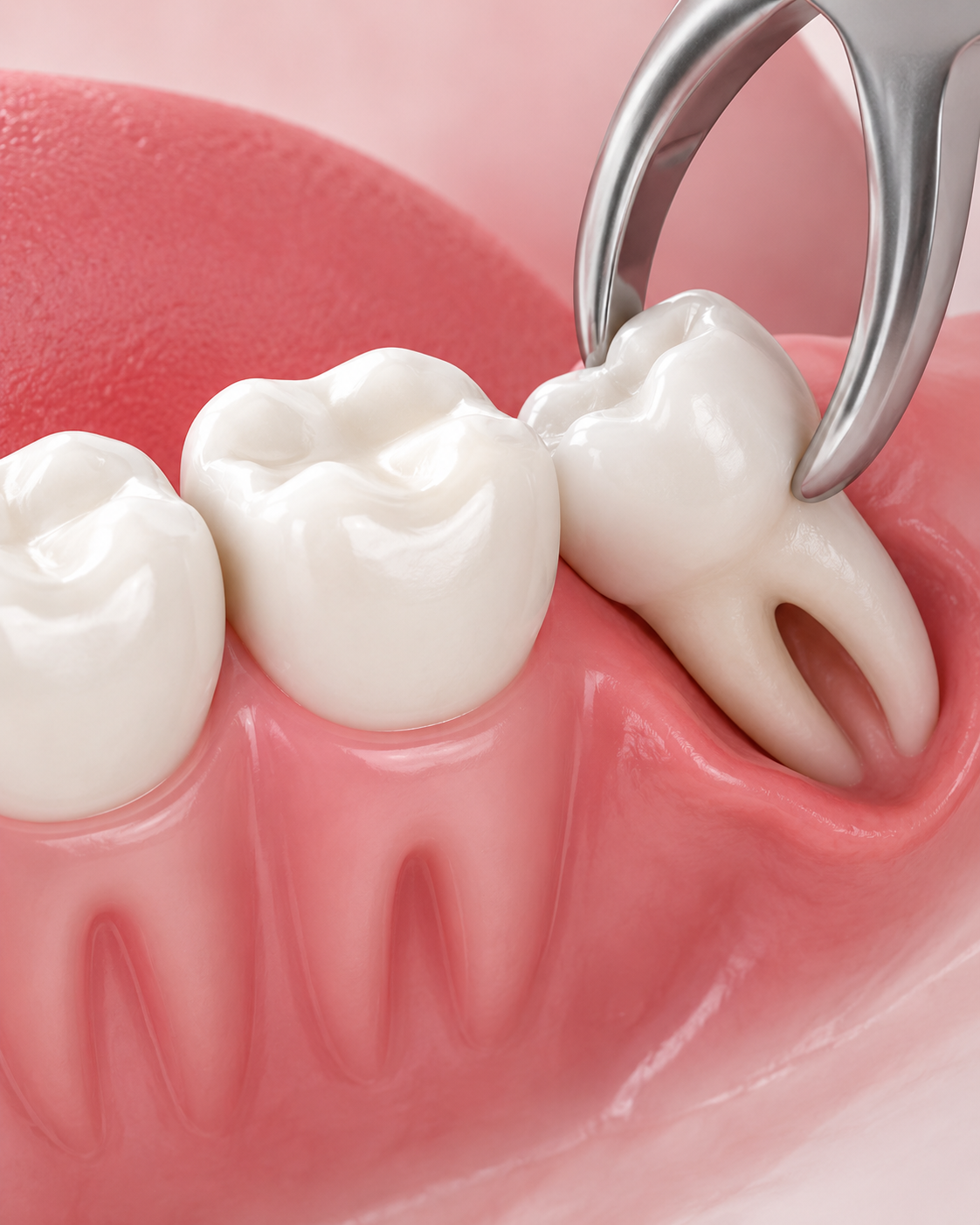
The honest decoder: sensitivity is exposed dentin talking — the porous layer under your enamel wired directly to the nerve — and the five ways it gets exposed are gum recession baring root surfaces, enamel worn by acid or abrasion, a filling leaking at its margin, grinding flexing the teeth at their necks, and the crack that flashes pain on release of biting. Each cause has its own fix, priced in daylight — from desensitizing care and a ₩50,000 cervical resin seal to the ₩300,000 night guard and, where pain lingers after heat, the root-treatment conversation. The pattern of your pain — what triggers it, how long it lasts — narrows the list before you arrive; this guide teaches you the same reading.
- What sensitivity actually is — dentin talking in Busan
- The five real causes — and how each announces itself
- What actually helps — matched to cause, priced in daylight
- The decoder, in one honest table
- The red flags — when sensitivity stops being sensitivity
- How it runs at our Busan Seomyeon clinic — and your next step
What sensitive-teeth sufferers actually ask
- Cold water makes me wince — is that normal or a problem?
- Why did sensitivity start now, in my thirties, out of nowhere?
- Does sensitivity mean cavities even if I can’t see any?
- Sensitive toothpaste isn’t working — what’s next?
- One tooth zings only when I bite — what is that?
What sensitivity actually is — dentin talking in Busan
The mechanism in one honest paragraph: your enamel and your gumline are the tooth’s insulation — underneath both lies dentin, a porous layer threaded with microscopic fluid-filled tubules running straight to the nerve. When insulation thins or retreats, stimuli that never used to reach the nerve suddenly do: cold moves the tubule fluid, the nerve reads movement as pain, and you get the jolt — sharp, immediate, and gone almost as fast. That signature — triggered, brief, cold-dominant — is classic dentin sensitivity, and it’s the pattern most of this page serves.
The pattern that is not classic sensitivity, flagged before anything else because it changes the appointment: pain that lingers — an ache continuing thirty seconds or minutes after the trigger is gone — pain waking you at night, pain triggered more by heat than cold, or spontaneous pain with no trigger at all. That pattern points at the nerve itself — inflamed or dying pulp — and belongs to the root-treatment conversation, sooner rather than later. The distinction is the single most useful thing this page teaches: brief-and-triggered is a maintenance problem; lingering-and-spontaneous is a nerve problem.
Why sensitivity arrives “out of nowhere” in adult life, honestly: the insulation loses slowly — gums recede a fraction of a millimetre a year under stiff brushing or quiet gum disease, enamel thins under decades of acid and abrasion, old fillings age at their margins — and dentin exposure crosses a threshold rather than announcing a start date. The trigger that “caused” it — the new whitening course, the winter air, the citrus habit — usually just found insulation that had been thinning for years.
And the reassurance stated early because it’s true: most sensitivity is fixable at the cheap end of dentistry — the causes are common, the fixes are mostly minor, and the expensive chapters (nerve treatment, crowns for cracks) belong to specific patterns the examination identifies quickly. The ₩40,000 visit that sorts your pattern is the most leveraged step on this page; everything after it is targeted rather than guessed.
The five real causes — and how each announces itself
Cause one, the most common: gum recession exposing root surfaces. Roots have no enamel — their dentin sits barely covered — so a receding gumline opens a direct line to the nerve, classically at the tooth necks along the gumline, often several teeth in a row, often on the side you brush hardest. The tell: cold and toothbrush contact at the gumline, brief and sharp. The drivers: overenthusiastic brushing with stiff bristles, and gum disease doing its quiet work — which is why recession-pattern sensitivity earns the probe chart from the gum comparison, not just a desensitizing paste.
Cause two: enamel wear — acid erosion (citrus, sodas, reflux) thinning enamel chemically, abrasion wearing it mechanically, or both compounding. The tell: broader sensitivity across chewing surfaces or edges, worsening with acidic meals. Cause three: a restoration aging — an old filling leaking at its margin lets stimuli seep to dentin beneath; the tell is sensitivity localised to one previously-filled tooth, sometimes with floss catching at the spot — the refill-or-escalate conversation, priced from ₩50,000.
Cause four: grinding and clenching — bruxism flexes teeth microscopically at their necks, chipping enamel there (abfraction) and inflaming the whole system’s tolerance; the tells are morning jaw tightness, flattened edges, and sensitivity across many teeth without obvious recession — the ₩300,000 night guard’s home territory, covered fully in this series’ grinding guide. Cause five: the cracked tooth — the sharp zing on release of biting, often one specific tooth, often a heavily-filled molar; cracks hide from X-rays and announce themselves by exactly this pattern, and they’re the cause that most rewards early diagnosis, because a crack caught at the sensitivity stage is a crown case, while a crack ignored becomes the save-or-pull fork.
The honest sixth entry that isn’t a disease: post-treatment sensitivity — transient after whitening courses (the whitening guide flags it in advance), normal for days after fillings and scalings (freshly de-tartared necks feel the air they’d been insulated from), and self-resolving on a days-to-weeks timescale. It earns a mention because it’s the sensitivity people panic about most and need to least — though anything worsening rather than settling graduates to the examination like everything else.
What actually helps — matched to cause, priced in daylight
The home tier, honest about its scope: desensitizing toothpaste (potassium or stannous formulations) genuinely works for mild dentin sensitivity — used consistently for weeks, not sampled for days — alongside a soft-bristle brush, lighter technique, and acid habits tamed (rinse after citrus, don’t brush immediately after acid). This tier serves the mild recession and early wear cases well; what it cannot do is reseal a leaking filling, splint a crack, or reverse gum disease — which is why “the toothpaste isn’t working” is a finding, not a failure, and the cue to sort the cause properly.
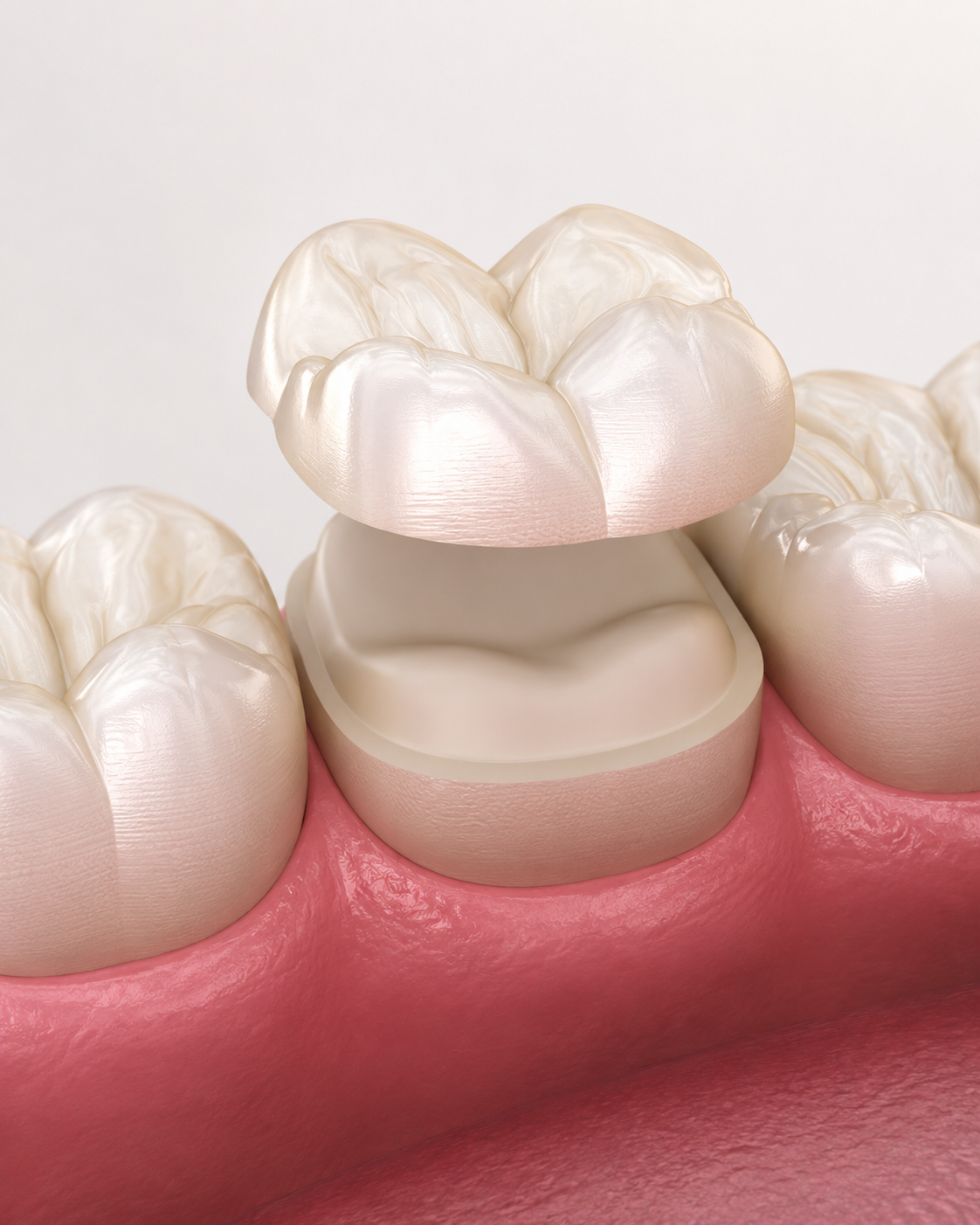
The clinic tier, matched to cause: professional desensitizing varnish for stubborn exposed necks; the ₩50,000 cervical resin seal — this page’s quiet hero — physically covering exposed root surface at the gumline, often ending years of wincing in one short visit; replacement of leaking restorations from ₩50,000 per the filling guide’s honest routing; the ₩300,000 night guard where grinding drives the pattern; and the gum chapter — scaling to therapy as the probe chart votes — where recession has active disease behind it.
The escalation tier, named without drama: the cracked tooth graduates to its crown (₩450,000+) to splint the crack shut before it propagates; and the lingering-pain pattern — the nerve’s signature — goes to root treatment(insured-schedule, written at the visit), where the honest news is that treatment ends the pain rather than causing it, per the fear-file in this series’ save-or-pull guide. Neither chapter is where most readers of this page end up; both are where waiting sends the unlucky ones.
And the sequencing note that saves money: cause first, comfort second. Desensitizing a tooth whose filling is leaking postpones a small-filling fix into a bigger one; pasting over recession with active gum disease lets bone burn behind the comfort; splinting a crack early is the difference between one crown and the save-or-pull fork. The pattern-reading this page teaches gets you to the right tier faster — and the ₩40,000 examination confirms it on screen before anything is bought.
Wincing at cold water and tired of guessing? Your pattern in two sentences — triggers, duration, which teeth — gets the honest cause-read free, before any chair. Message us on WhatsApp →
The decoder, in one honest table
Five causes, their signatures, and their fixes side by side:
| Cause | Its signature | The honest fix |
|---|---|---|
| Gum recession (root exposure) | Gumline cold-and-brush jolts, several teeth, brushing-side worst | Technique + desensitizing tier → ₩50,000 cervical seal · probe chart where disease drives it |
| Enamel wear (acid / abrasion) | Broader sensitivity, worse with acidic meals | Acid habits tamed + desensitizing tier · resin where wear localises |
| Aging restoration (leaking margin) | One previously-filled tooth, sometimes floss catching | Refill from ₩50,000 — or the honest escalation per the filling guide |
| Grinding (bruxism) | Many teeth, morning jaw tightness, flattened edges | ₩300,000 night guard — the grinding guide’s full chapter |
| Cracked tooth | Sharp zing on release of biting, one specific tooth | Crown to splint it ( ₩450,000 +) — caught early, that’s the whole story |
| Not-sensitivity (the nerve) | Lingering · heat-triggered · spontaneous · night pain | Root-treatment conversation — insured-schedule, this week, not someday |
The ₩40,000 examination confirms the pattern on screen before anything is bought; red-flag patterns (lingering, heat, spontaneous, swelling) book this week rather than someday.
The red flags — when sensitivity stops being sensitivity
The patterns that reclassify the appointment, listed plainly: pain lingering after the trigger — thirty seconds, a minute, more — rather than vanishing with it; heat-triggered pain, especially where cold once dominated (a late-stage nerve signature); spontaneous pain arriving without any trigger, particularly at night or waking you; swelling, a bad taste, or a pimple-like bump on the gum near the tooth (infection finding an exit); and pain on biting that’s sharp and localised — the crack’s calling card, worth the same-week appointment even without any other flag.
Why the reclassification matters practically: dentin sensitivity is patient — it waits weeks for your schedule without worsening much — but an inflamed nerve runs on its own clock, and the window where root treatment is straightforward narrows as infection organises. The honest translation to calendars: classic brief-and-triggered sensitivity books a normal appointment on the evening-and-Saturday grid; any flag on the list above books this week; swelling books today, per the same-day guide’s emergency honesty.
The travellers’ version of the same triage, since this series serves them: new mild sensitivity mid-trip almost never needs to interrupt an itinerary — note it, manage it, sort it at home or before your flight if the schedule allows; the flag list above, mid-trip, deserves the thread message today, because the questions “is this urgent” and “can it wait until I’m home” are exactly what a photo and two sentences let this clinic answer honestly — sometimes with “enjoy your trip, book at home,” which is a real answer given freely.
And the flag people wrongly ignore because it improved: pain that was severe and then stopped. A nerve that ached for weeks and went quiet has sometimes died rather than healed — the infection continues silently past the pain — and the single dark tooth the stain guide diagnoses often started exactly here, years earlier. Pain’s disappearance without treatment earns an examination, not a celebration; it’s the quietest red flag on the page.
How it runs at our Busan Seomyeon clinic — and your next step
The visit itself, step by step: the ₩40,000 examination reads your pattern against the decoder — triggers reproduced gently, the gumline probed, restorations margin-checked, the bite tested for the crack signature, imaging where findings genuinely indicate it — and the cause lands on screen, pointed at. The fix follows the cause per everything above, priced in writing: the cervical seal from ₩50,000, the refill by surface area, the ₩300,000 guard, the gum chapter’s charted plan, or the escalation conversations with their own honest pages.
The house rules, applied where sensitivity most needs them: downhill by default — the cheap causes get treated as cheap causes, and nobody’s cold-water wince is leveraged into a crown it didn’t need; pattern over panic — the red-flag list is short precisely so the rest of the page can be unworried; and the findings are yours — photographed margins, the probe chart, the bite-test result, all carried freely to any second opinion per the records guide.
The maintenance rhythm that keeps sensitivity solved: the ₩60,000 recall catches the next leaking margin and the next millimetre of recession before they reach the nerve conversation — the same habit every guide in this series lands on, because it keeps being the answer — and the home tier (soft brush, sane acids, consistent desensitizing paste where prescribed) holds the ground between visits.
One message starts it: your pattern in two sentences — what triggers it, how long it lasts, one tooth or many, any of the flags — plus travel dates where relevant — and the honest pre-read answers: home-tier territory, clinic-tier cause, or the this-week flag — before any chair. The jolt has a short list of causes and a shorter list of fixes; the service is matching yours in one visit instead of three guesses.
- Sensitivity is dentin talking: insulation thinned somewhere — gumline, enamel, a filling’s margin — and cold found the nerve’s wiring.
- The pattern is the diagnosis: brief-and-triggered = maintenance problem; lingering, heat-led or spontaneous = nerve problem, this week.
- The quiet hero is ₩50,000: a cervical seal over exposed root often ends years of wincing in one short visit.
- “Toothpaste isn’t working” is a finding: it means the cause needs sorting, not more weeks of sampling.
- Pain that stopped by itself earns an exam, not a celebration — quiet nerves are sometimes dead ones.
The dentists behind every guide on this site


FAQ
Common, yes; normal, no — healthy insulated teeth don't jolt at cold. Brief, triggered, cold-dominant sensitivity is dentin announcing thinned insulation somewhere (usually the gumline), and it's fixable at the cheap end: technique changes, consistent desensitizing paste, and the ₩50,000 cervical seal where root surface is exposed. The version that isn't routine: pain that lingers after the cold is gone, or arrives without triggers — that pattern books this week.
Because insulation loses slowly and thresholds cross suddenly: gums recede fractions of a millimetre yearly under firm brushing or quiet gum disease, enamel thins under decades of acid, old fillings age at their margins — and the day symptoms start is just the day exposure crossed the line. The "cause" you noticed — new whitening, cold weather, a citrus phase — usually found the problem rather than made it. The examination reads which insulation actually thinned.
Not usually — classic multi-tooth gumline sensitivity is recession and wear, not decay. But one-tooth sensitivity deserves the question: a leaking filling margin or early decay under an old restoration announces itself exactly this way, and a sharp bite-release zing on one tooth is the cracked-tooth signature. The sorting rule: many teeth jolting briefly = probably maintenance; one tooth behaving differently = worth the ₩60,000 look this month.
Two honest checks first: consistent use for several weeks (it builds effect; sampling for days proves nothing), and the right pattern (it serves mild dentin sensitivity, not leaking fillings, cracks, or nerve pain). If both hold and you're still wincing, the cause needs sorting — varnish or the ₩50,000 seal for exposed necks, a refill for a failing margin, the guard for grinding. "The paste isn't working" is exactly the sentence to send the thread; it usually means the fix was never going to be paste.
The textbook cracked-tooth signature — sharp, localised, worst on release — and the one pattern on this page that rewards speed most: a crack caught at the sensitivity stage typically ends at a crown that splints it shut, while a crack given months can propagate to the save-or-pull fork. It often hides from X-rays, which is why the bite test at examination matters. Book the ₩40,000 look this week, not this quarter — this is the cheap version of that story.
Resin & Cervical Seals
The ₩50,000–150,000 tier where most sensitivity ends.
Night Guard in Busan
₩300,000 — where grinding drives the pattern.
Root Canal in Busan
The lingering-pain pattern's honest chapter.
Scaling & Examination
The ₩60,000 visit that sorts the cause on screen.
Scaling vs gum treatment: which do your gums need?
Related guide in this series.
Grinding your teeth at night? The damage and the fix
Related guide in this series.
Save it or pull it? Root canal vs extraction
Related guide in this series.
Stop guessing at the jolt. The pattern names the cause in one visit.
Two sentences about your triggers start the free pre-read; the ₩40,000 examination confirms the cause on screen; the fix follows it, priced in writing. Most of these stories end at ₩50,000.
Medical information in this guide is provided for general education and does not replace an individual examination and diagnosis. Prices shown are current at the time of writing; insured-schedule items follow Korea's national fee schedule and are quoted in writing at your visit. This clinic does not provide 24-hour service. Individual results vary.