Clear aligners from Busan while you live abroad — how monitoring works.
Aligners are the most portable orthodontics there is: the trays do the work wherever you are, and the dentist's job between visits is to watch — which can be done by photo. This guide explains how Baro Dental runs a Cerafin aligner course for someone who lives in Singapore, Sydney or San Francisco and is in Busan a few times a year: the diagnosis visit, how tray sets are carried and collected, the photo check-in rhythm, the visits that genuinely need a chair, and the honest cases where remote monitoring is the wrong idea.
By Baro Dental Clinic, Seomyeon · October 2026 · 10 min read
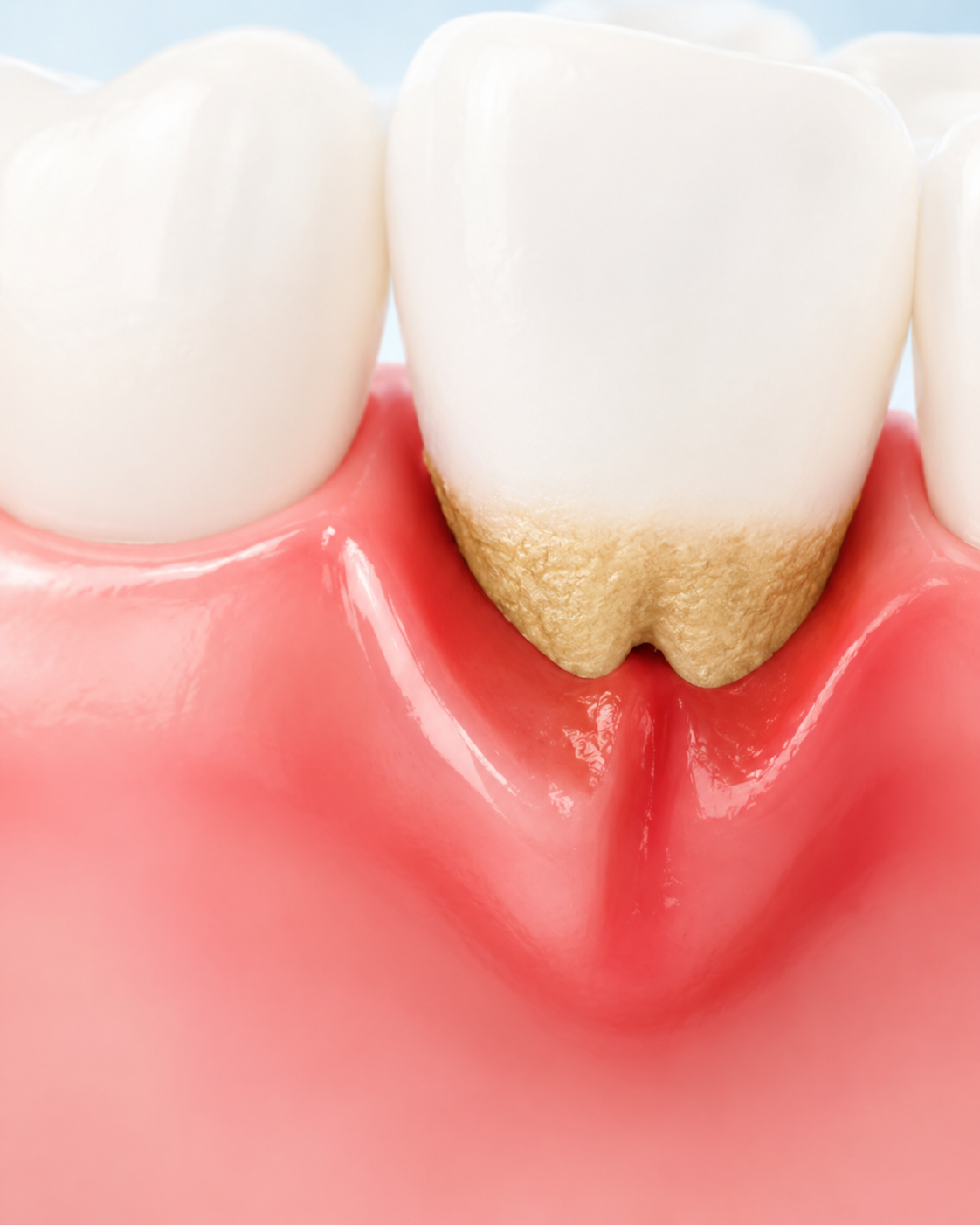
A Cerafin clear aligner course from Baro Dental can be run from abroad: one diagnosis visit in Busan for the scan, the 3-D plan and the first trays (₩100,000, credited to treatment), tray sets carried home and further sets collected on return visits as the plan progresses, photo check-ins on WhatsApp every six to eight weeks, and return visits timed to trips you were making anyway for refinement scans, attachments and the retainer. The published range is ₩3,000,000–6,000,000 by case complexity, fixed in writing before any tray is made. Here is who it suits, how each stage works at a distance, what needs a chair and what does not, and the cases where we will tell you to find an orthodontist where you live instead.
- Who remote aligner treatment suits — and who it does not
- The diagnosis visit: one trip, everything decided
- Tray sets: carrying and collecting
- The photo check-in, every six to eight weeks
- What genuinely needs a chair
- Lost trays, cracked trays, teeth not tracking
- Finishing: refinement, retainers and the last visit
- What it costs, and how the fee is paid
What patients abroad ask about aligners from Busan
- I'm in Busan twice a year for family. Is that enough to run aligner treatment from here?
- How do I get the later trays if I'm in another country?
- What does a “check-in” actually involve if nobody is looking in my mouth?
- What happens if a tray cracks or I lose one in Sydney?
- Why would I do this from Busan rather than at home?
Who remote aligner treatment suits — and who it does not
Suits: mild to moderate cases — crowding, spacing, mild relapse after braces — in a motivated adult who will wear trays twenty-two hours a day without being watched; someone who is in Busan at least twice a year, or can be at the two or three points where a chair is needed; and someone with healthy gums and sound teeth, confirmed at the diagnosis visit. The adult aligner page sets out the case types in detail.
Does not suit, said plainly: complex cases needing extractions, significant bite correction or elastics that must be adjusted in person; cases that would be faster and better in braces; patients who cannot return for a year or more; and anyone who, honestly, would rather have a dentist down the road. For those, we say so at the first WhatsApp read and suggest treatment where you live. A course that is right for the teeth and wrong for the calendar is not a course we will start.
The diagnosis visit: one trip, everything decided
Before the trip, send photos and your situation — where you live, how often you are in Busan — and you will get an honest first read on whether aligners and your calendar fit. Then one visit of about ninety minutes: digital scan, photos, panoramic X-ray, the gum and bone check, and the 3-D simulation of the planned movement, which you review on screen tooth by tooth with the projected end result. The diagnosis fee is ₩100,000, credited to the treatment if you proceed. The exact fee within the ₩3,000,000–6,000,000 Cerafin range is written down here, before any tray is made, with the number of trays, the planned duration and the check-in rhythm.
If you proceed and your trip allows it — about a week to ten days — the trays are manufactured and fitted on the same trip: attachments (small tooth-coloured bumps that help specific movements) are bonded, the first tray is checked, and you leave with the first sets. If the trip is shorter, the fitting is the first appointment of your next visit; we tell you which before you book flights. The clear aligner page and aligner cost guide cover the fee structure.
Tray sets: carrying and collecting
Trays change every one to two weeks on the schedule set at diagnosis, and you carry them in sets. Typically you leave Busan with several months of trays — enough to reach your next visit — in numbered packets with the switch dates written on them. Later sets are collected on your next trip, and the number of trays issued at each visit is matched to how long you will be away, which is settled at diagnosis rather than discovered mid-course. A rule we repeat: always travel with the current tray, the next one and the previous one, so a lost or cracked tray never stops the plan.
| Stage | Where | What happens | Published price |
|---|---|---|---|
| First WhatsApp read | Anywhere | Photos and your calendar; honest fit assessment | Free |
| Diagnosis visit | Busan, ~90 min | Scan, photos, X-ray, 3-D plan, written fee, tray count | ₩100,000, credited to treatment |
| Fitting | Busan, same trip if ~7–10 days | Attachments bonded, first trays checked, sets issued | Within the Cerafin fee |
| Check-ins | Anywhere, every 6–8 weeks | Five photos + tray number on WhatsApp; dentist review | Within the fee |
| Refinement scan | Busan, mid-course if needed | New scan, revised trays | Within the fee for the planned course |
| Finish and retention | Busan, final trip | Attachment removal, retainer fitting, first-year adjustments | Retainer (clear or fixed) ₩250,000 per arch |
| Cerafin course total | — | By case complexity, fixed in writing at diagnosis | ₩3,000,000–6,000,000 |
Figures from our published list, current at time of writing. The diagnosis fee is deducted from the treatment fee if you proceed.
The photo check-in, every six to eight weeks
A check-in is five photographs — front with teeth together, left and right sides, upper and lower arches from inside — taken with the current tray out , plus one with the tray in, and the tray number you are on. Phone camera, daylight, a spoon handle to hold the cheek if you are alone; we send a one-page guide with examples. The dentist reviews them against the 3-D plan and answers one question: are the teeth tracking — sitting fully in the tray with no gap at the edges? If yes, continue on schedule. If a tray is not seating, the fix is usually simple and remote — more wear hours, a few extra days on the current tray, chewing exercises — and occasionally a visit. Review happens during Busan clinic hours, so a check-in sent in your evening is answered by your morning.
What genuinely needs a chair
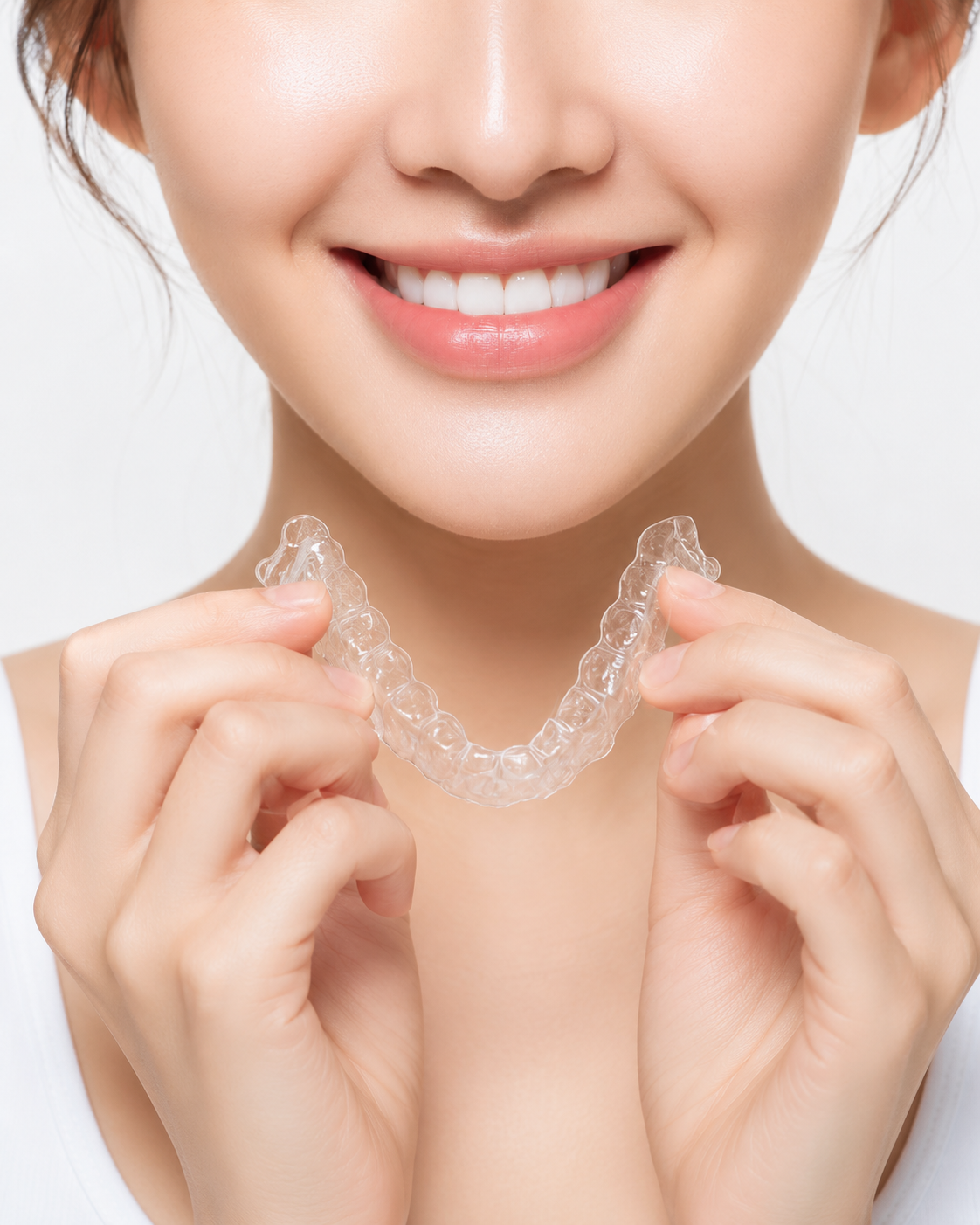
Honesty about the limits is what makes the model work. Needs a chair: the initial scan and plan; bonding and re-bonding attachments; interproximal reduction (polishing fractions of a millimetre between teeth to make space), done at planned points; a refinement scan mid-course if the teeth have drifted from the plan, which happens in a meaningful share of cases; attachment removal and polishing at the end; and retainer fitting. Does not need a chair: routine progress checks, tray changes, most not-tracking problems, questions about wear and comfort. A typical remote course therefore involves two to four visits in Busan across twelve to eighteen months, each timed to a trip you were making anyway, and the dates for them are pencilled at diagnosis.
Living abroad and in Busan a few times a year? Send five photos of your teeth and tell us where you live and how often you are here. The reply is an honest read on whether a remote course fits your case and your calendar, and what the diagnosis visit would map out. Message us on WhatsApp →
Lost trays, cracked trays, teeth not tracking
A lost or cracked tray: wear the previous tray (never go without) and message us. If the next tray in your set fits, you may be told to move to it early; if not, a replacement is made and held for your next visit, with the previous tray holding the position until then. This is why the three-tray travel rule exists. Teeth not tracking: caught at a check-in, usually fixed with wear discipline and a short pause on the current tray; persistent non-tracking is the trigger for a refinement scan on your next trip, which produces a corrected set of trays — planned for in the fee, not an extra. A broken attachment: continue; most movements tolerate a missing attachment for weeks, and it is re-bonded at the next visit. Gum soreness or a sharp edge: a nail file on the edge, salt-water rinses, a photo to us. None of these is an emergency, and all of them are the ordinary texture of a course run over distance.
Finishing: refinement, retainers and the last visit
The last trip is the one with the most in it: a final check against the plan, any last refinement, removal of the attachments and polishing, and retainer fitting — a clear retainer or a fixed wire behind the front teeth, ₩250,000 per arch either way, with the first year's adjustments covered. Retention is nightly and long-term; teeth drift back toward old positions for years, and anyone who says otherwise is selling relapse. For patients abroad, a spare clear retainer to keep at home is sensible insurance against a lost one, and an annual photo check-in continues after treatment for as long as you like. Records go with you in English for any dentist you see later.
What it costs, and how the fee is paid
The Cerafin fee — ₩3,000,000–6,000,000 by case complexity, fixed in writing at diagnosis — covers the planned course: the trays, the attachments, the check-ins, and a refinement where the plan calls for one. The ₩100,000 diagnosis fee is deducted; retainers are the separate published lines above; a CT, rarely needed for aligners, is ₩30,000. Payment is staged — a portion at fitting, the balance across the course on terms written at diagnosis — and international cards are accepted with English receipts. Compared with aligner fees in most of the countries our remote patients live in, the Busan figure is a fraction, which is why they ask; but the reason the model works is not the price. It is that the trays do not care where you are, and the monitoring is honest about what it can and cannot see. The pricing page holds every figure.
- Mild to moderate cases, twice a year in Busan: the two conditions that make a remote course sensible.
- One diagnosis visit decides everything: ₩100,000 credited; the fee, the tray count and the visit dates written down.
- Carry three trays, always: current, next and previous — a lost tray never stops the plan.
- Five photos every six to eight weeks: tray out, tray in, the number — answered by your morning.
- Two to four chair visits in a course: scan, attachments, refinement, retainer — timed to trips you were making anyway.
The dentists behind every guide on this site

FAQ
Yes, for mild to moderate cases and if you are in Busan at least twice a year. One diagnosis visit sets the plan, trays are carried in sets, progress is checked by photo every six to eight weeks, and two to four visits across the course handle what needs a chair.
You leave each visit with enough trays to reach the next one — usually several months — and collect the following sets on your next trip. The number issued at each visit is matched to how long you will be away, settled at diagnosis.
Five photographs — front, both sides, upper and lower arches — with the tray out, one with it in, and your tray number, sent on WhatsApp. The dentist checks the teeth are tracking against the 3-D plan and replies with continue, adjust, or come in.
Wear the previous tray and message us. You may move to the next tray early if it fits; otherwise a replacement is made. Always travel with the current, next and previous trays so treatment never pauses.
Cerafin aligners are ₩3,000,000–6,000,000 by case complexity, fixed in writing at the ₩100,000 diagnosis visit (which is credited if you proceed). Retainers are ₩250,000 per arch, clear or fixed. Payment is staged across the course on terms written at diagnosis; international cards are accepted.
Clear Aligners in Busan
The treatment hub — Cerafin, case types and the published range.
Clear Aligners for Adults
Working lives, travel and the international-patient section this guide expands.
Published Prices
Every non-covered figure in KRW, the same page for every passport.
Braces and clear aligner cost in Busan
Related guide in this series.
Clear aligners or braces?
Related guide in this series.
Follow-up after flying home
Related guide in this series.
Read enough? Start the thread.
Send five photos of your teeth, say where you live and how often you are in Busan — the reply is an honest read on whether a remote course fits, and what the diagnosis visit would map out.
Medical information in this guide is provided for general education and does not replace an individual examination and diagnosis. Prices shown are current at the time of writing; insured-schedule items follow Korea's national fee schedule and are quoted in writing at your visit. This clinic does not provide 24-hour service. Individual results vary.